

Mokihana Coffee Kauaʻi
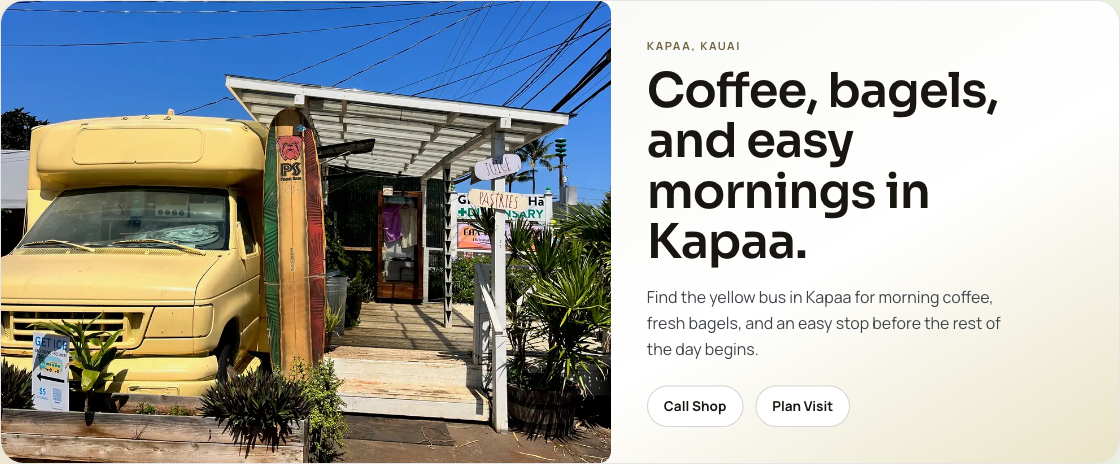
Mokihana’s public website opens with its yellow coffee bus and includes menu and visit information. A separate section is headed “Recent reels from the bus.”

Kauaʻi-founded digital product studio
Websites, apps, and durable software systems built around how a business actually works.
Hana Pono Data starts with technical strategy: keep the tools that fit, connect what should stay, and build selected functions that are missing. Useful automation belongs where the task is clear.
Each example links directly to its public site.
Mokihana’s public website opens with its yellow coffee bus and includes menu and visit information. A separate section is headed “Recent reels from the bus.”
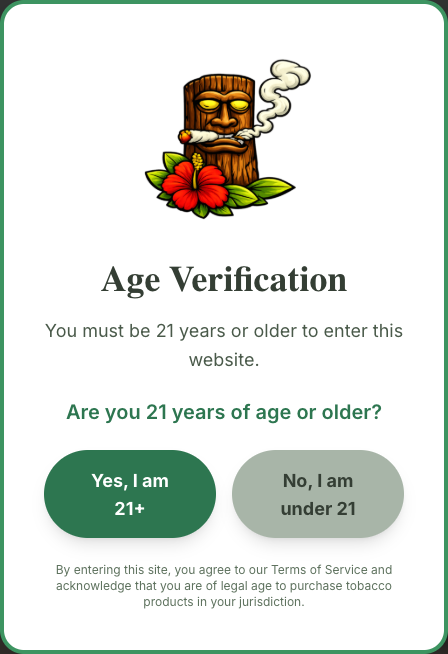
On a fresh visit, the public site asks whether the visitor is 21 or older and offers choices for 21+ and under 21.
Hana Pono Data owned product
Separate from the client work above, Kapaa.APP is Hana Pono Data’s local directory product for finding Kapaʻa businesses, services, and events.
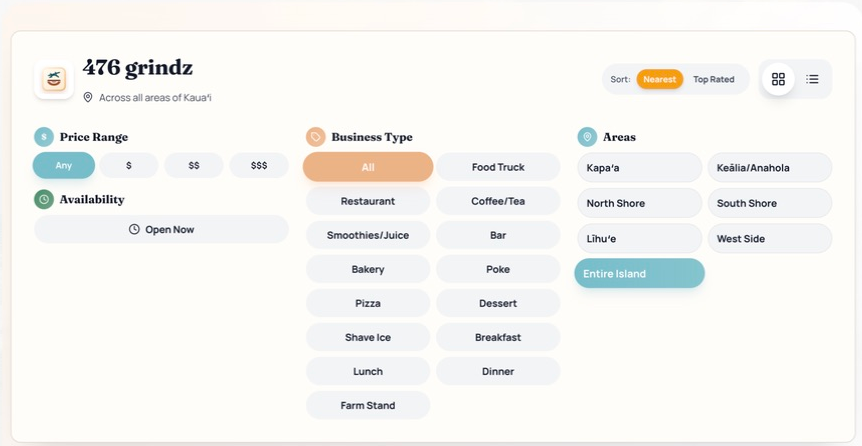
The signed-in directory can be filtered by price, what is open now, business type, and area.
Hana Pono Data owned product
Pacific Storm Watch is a live weather desk for Eastern and Central Pacific tropical storms. It shows National Hurricane Center tracks, the official cone, GEFS ensemble paths, and Hawaiʻi rain.
The iOS app is submitted. The App Store download link will appear in this proof of work automatically when it is available. Android on Google Play will follow.

The right build can begin with one customer path, one repeat task, or a whole system that does not exist yet.
Distinctive new websites and careful rebuilds can bring services, hours, menus, products, directions, and next steps into one clear place. Content can use more than one language or dialect, with the client reviewing the final wording.
Build booking, request, intake, and form paths that ask for the right information and make the next step easy to follow.
Keep the outside tools that earn their place. Connect what should stay. Build a selected function into the website or app when that is the better fit.
When an off-the-shelf product does not fit, customer apps, portals, directories, dashboards, admin tools, and data systems can be shaped around the people, information, and rules involved.
Organize scattered information, connect repeat steps, and use practical AI for a specific task when a person can check the result.
Technical strategy, hosting, domain setup, launch support, troubleshooting, updates, and ongoing care are scoped with ownership and support terms made clear in the quote.
Start with the part worth fixing, then make the smallest sound decision that moves the work forward.
Start with the people, information, and repeated steps involved.
Existing tools stay when they fit the job and earn their place.
Useful services are connected, and selected missing functions are built when that is the better fit.
The launch plan states what will be checked, who handles the handoff, and what happens if something fails.
The quote states ownership, support, and ongoing care.
A straightforward website should not be priced like a custom system. A custom system should not be squeezed into a starter plan.
These are starting points, not fixed quotes.
Founder-led in Kapaʻa
Hana Pono Data is a founder-led studio based in Kapaʻa. Projects are shaped around the people using them, the information they depend on, and who will own and care for the result.
Hana Pono Data starts by understanding the work before deciding what should be kept, connected, or built.